
Red Light Therapy Johnson City TN
Red Light Therapy Near Me (Photobiomodulation)
Red light therapy is the smarter way to improve skin quality, support recovery, and elevate wellness outcomes—without surgery, drugs, needles, or downtime. If you’re searching for the best red light therapy near me in Johnson City TN, understanding how red light phototherapy works can help you achieve your health and aesthetic goals.
Understanding Red Light Therapy Benefits
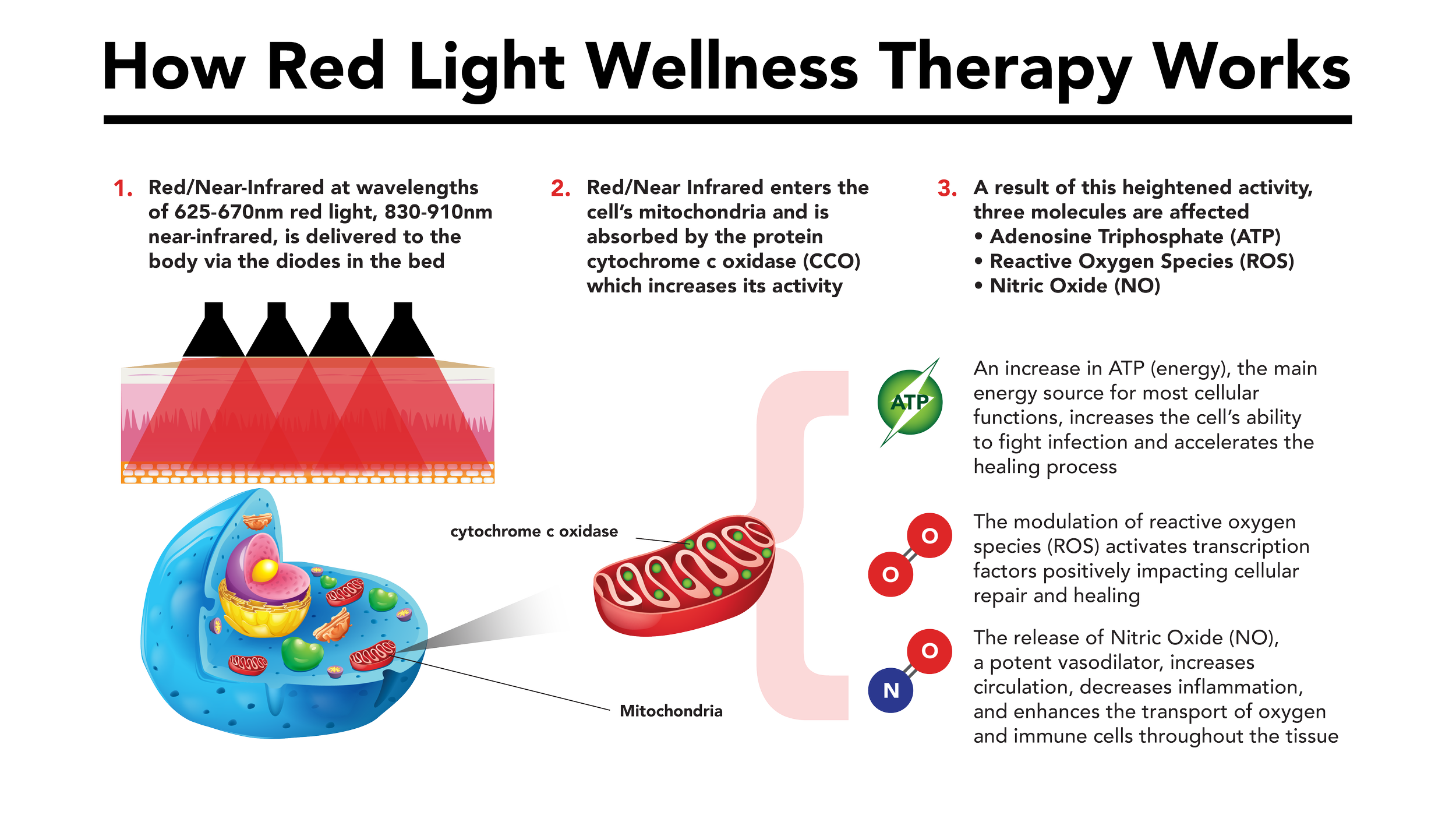
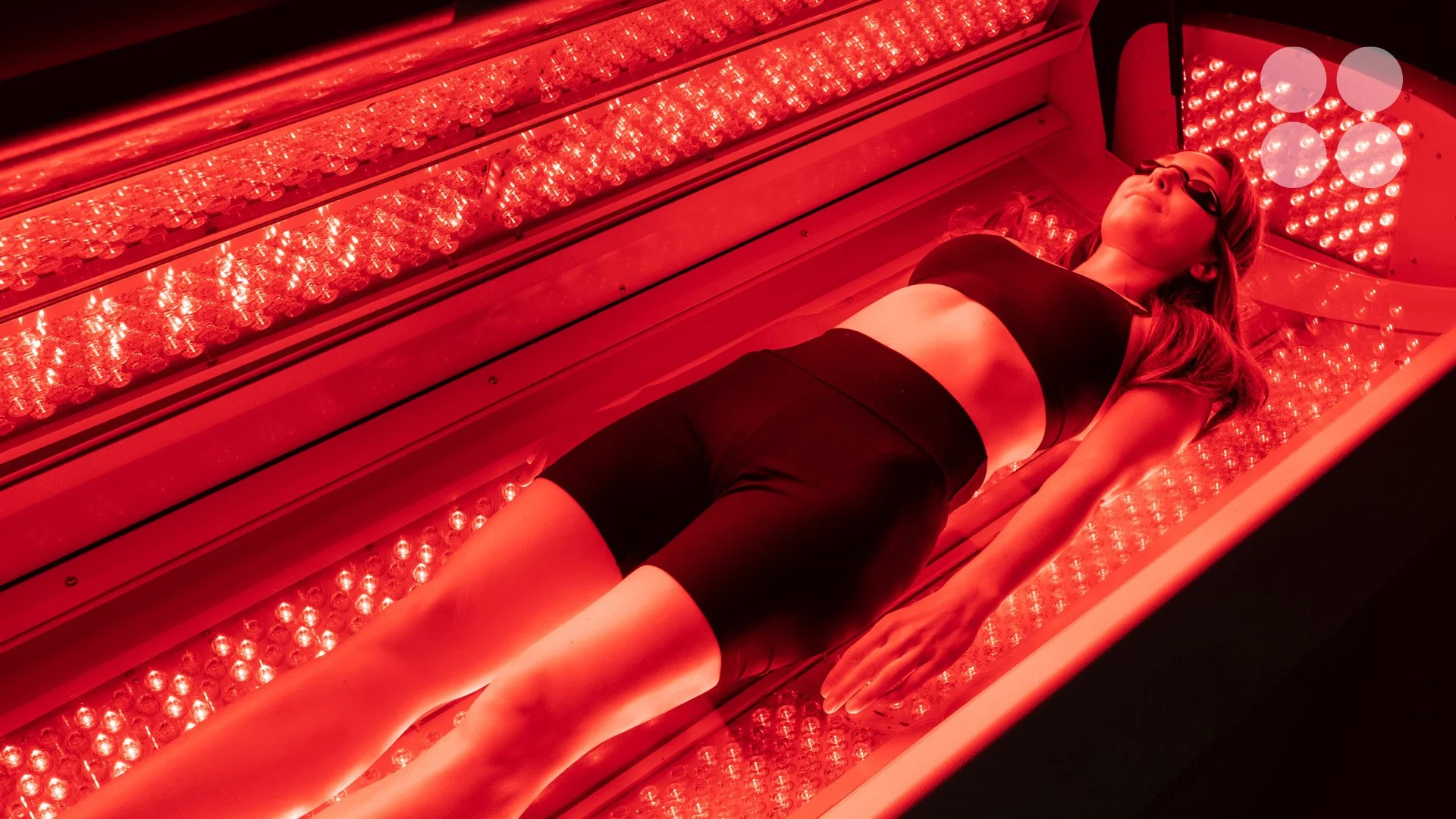
Red light phototherapy, also known as photobiomodulation, uses non-UV red and near-infrared light to influence cellular processes at the mitochondrial level. The advantages of red light therapy stem from its ability to support natural healing pathways in your body. Results build over time with consistent, evidence-aligned dosing. This therapy uses non-UV light to influence cellular processes tied to skin quality and recovery, making it one of the most sought-after wellness treatments available.
Red light therapy is also called low-level light therapy (LLLT), low-power laser therapy, phototherapy, and “cold” laser therapy.
FDA Class II • Pro Support • Training & Room Layouts • U.S. Service & Warranty
Red light therapy is rooted in mitochondrial mechanisms
The advantages of red light therapy are grounded in cellular biology. Red light phototherapy is thought to act on mitochondria and cytochrome-c-oxidase, which modulate nitric-oxide signaling, microcirculation, and collagen remodeling. These biologic pathways help explain why cosmetic, recovery, and comfort goals often require consistent, cumulative dosing over weeks rather than instant results.
Red light therapy dose is quantitative (irradiance × time = fluence)
The best red light therapy outcomes are dose-dependent: irradiance (mW/cm²) × time (s) = fluence (J/cm²). Responses often follow a biphasic “sweet spot”: too little under-performs; too much may diminish gains. Professional red light therapy in Johnson City TN uses device protocols to match dose to the goal and treatment distance.
Example target ranges (non-prescriptive):
- Skin appearance (face): lower irradiance, shorter sessions to reach modest fluence
- Recovery/adjunctive comfort goals: moderate irradiance, carefully timed sessions
- Scalp support: moderate irradiance, consistent cadence over months
Red light therapy dose is quantitative (Dose Planner)
Dose = irradiance (mW/cm²) × time (s) → fluence (J/cm²). Responses often follow a biphasic “sweet spot.” Use device protocols; this table is educational, not medical advice.
| Goal | Common Wavelength Set | Typical Session Cadence | Target Fluence Band* | Notes |
|---|---|---|---|---|
| Skin appearance (face) | 630–660 nm + 810–850 nm | 1–3×/week, 8–12 weeks | Lower band | Shorter sessions; follow eye-protection guidance per device. |
| Recovery / adjunctive comfort | Red + near-infrared pair (e.g., 635/850 nm) | 2–3×/week, 6–8+ weeks | Moderate band | Consistency matters; avoid overdosing (biphasic response). |
| Scalp support | Red + near-infrared pair | 2–3×/week, 12–24 weeks | Moderate band | Patience required; effects are cumulative over months. |
*Educational only; follow your device’s clinical guidance. Keep treatment distance consistent when planning dose.
Red Light Therapy Benefits – What to Expect
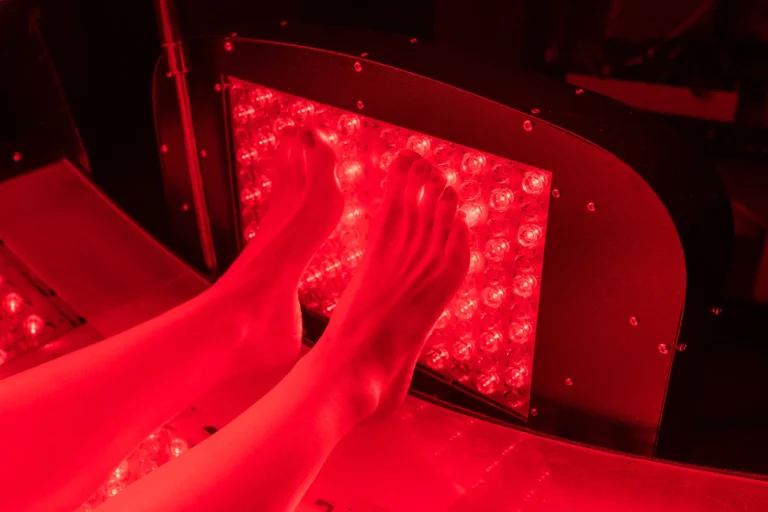
Red light therapy benefits are indication-specific and cumulative. Whether you’re exploring red light therapy and weight loss, skin rejuvenation, or recovery support, understanding what to expect helps set realistic goals. Red light phototherapy is dose-dependent and sensitive to treatment distance and consistency. The best red light therapy results occur when expectations match the indication and when dose (irradiance × time = fluence) stays within protocol.
Evidence at a Glance
- Dermatology uses show promising signals in small, varied studies
- Adjunctive comfort/recovery (e.g., knee OA) shows low to very-low certainty improvements vs sham
- Outcomes depend on wavelength and dose (irradiance × time = fluence)
Skin Appearance (tone, texture, clarity)
Red light therapy is a non-UV, noninvasive option that targets fine lines, dullness, uneven tone, and serves as an adjunct for acne care.
- Cadence: 1–3 sessions per week for 8–12 weeks, then maintenance
- When you may notice changes: a subtle glow and softness in weeks 1–4; clearer texture and tone by weeks 4–8+ with consistent dosing
- Good fit: clients seeking gentle support alongside skincare routines
Pain & Recovery (adjunctive comfort goals)
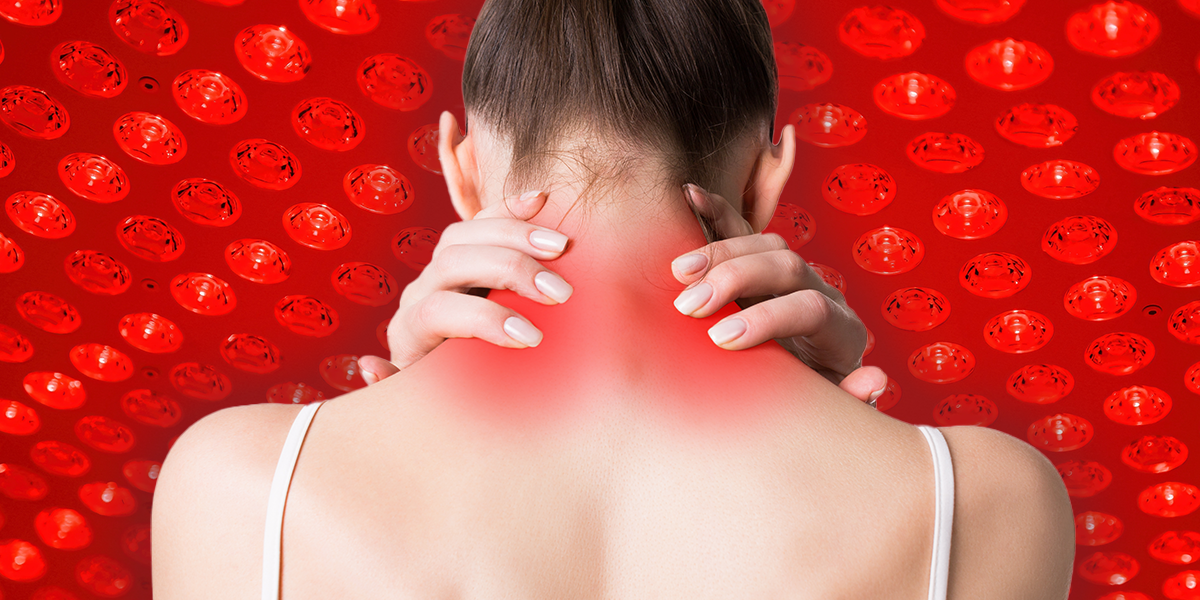
Red light therapy is a supportive add-on for general recovery and comfort when layered into broader rehab or wellness plans.
- Cadence: 2–3 sessions per week for 6–8+ weeks; keep distance and timing consistent
- When you may notice changes: incremental comfort signals over several weeks; results are dose- and adherence-dependent
- Good fit: clinics integrating PBM to complement existing recovery modalities
Hair/Scalp Support
Red light therapy is a cosmetic support for thinning hair as part of multi-modal routines (expect patience and protocol consistency).
- Cadence: 2–3 sessions per week for 12–24 weeks, then maintenance
- When you may notice changes: gradual signals over months; consistency matters more than intensity
- Good fit: clients willing to follow long-horizon programs
Red Light Therapy and Weight Loss
For those interested in red light therapy and weight loss, this modality may support metabolic function when combined with a comprehensive wellness plan. Red light weight loss therapy works by potentially enhancing cellular energy production, which may influence how your body processes and utilizes energy. When searching for red light therapy near me for weight management, look for providers who integrate this treatment into evidence-based wellness programs.
Red Light Therapy Safety
Red light therapy is generally well-tolerated when used as directed; it is non-UV and noninvasive. Protect eyes when instructed. People using photosensitizing medications or with light-sensitive conditions should consult a clinician. Long-term safety data remain limited, and misuse may irritate skin or eyes.
Use caution if:
- You take photosensitizing medications or have a light-sensitive condition
- You have unmanaged infection or open wounds on the treatment area
- You are pregnant—discuss any therapy with your clinician first
Red Light Therapy Treatment Timeline
Red light therapy treatments are cumulative and require consistency. When you search for red light therapy Johnson City TN, understanding frequency and timelines helps you commit to the process. The best red light therapy results come from regular sessions.
Red light phototherapy is typically scheduled 1–3 sessions per week for several weeks, then tapered to maintenance. Cosmetic changes often appear over weeks to months; comfort and recovery goals vary by case and adherence. Insurance coverage is uncommon; confirm out-of-pocket costs beforehand.
Quick timeline (typical, not medical advice):
- Weeks 1–4: subtle softness, glow, or comfort signals for some users
- Weeks 4–8: visible texture/clarity changes for consistent users
- Weeks 8–12+: consolidation; transition to maintenance cadence
Red Light Therapy Evidence – What Research Shows
The advantages of red light therapy are supported by peer-reviewed studies across cosmetic skin appearance, adjunctive comfort and recovery, and scalp support. When evaluating the best red light therapy options, understanding the research helps you make informed decisions.
Red light therapy is associated with improvements in tone, texture, and clarity in cosmetic contexts. Red light phototherapy is reported to support joint and soft-tissue comfort when paired with established care plans. Red light therapy is linked to positive scalp metrics in programs that emphasize consistent dose and cadence.
Red light therapy study patterns often show better results when wavelength sets are defined, dose (irradiance × time = fluence) is controlled, treatment distance is fixed, and sessions are delivered on schedule. Red light therapy benefits tend to build over weeks to months and persist with maintenance.
How to Evaluate Red Light Therapy Research
When searching for red light therapy near me or the best red light therapy in Johnson City TN, knowing how to read the research gives you confidence in your choice.
Red light therapy is easier to evaluate when you look for five things:
- Wavelength pairs
- Irradiance (mW/cm²)
- Fluence (J/cm²)
- Treatment distance and session length
- Clear outcomes and follow-up
Red light phototherapy works best for clients when clinic sessions match the dose used in successful studies. The advantages of red light therapy are maximized when providers follow evidence-based protocols and maintain consistency in treatment parameters.