When your nerves stop sending the right signals.
Your peripheral nerves carry messages between your brain and the rest of your body. When they're damaged, the result is pain, weakness, tingling, and burning — most often starting in the feet and hands.
Left untreated, nerve damage tends to get worse, not better. The good news: there are options beyond "manage it with medication." Patients come to our Johnson City office from across the Tri-Cities — Jonesborough, Elizabethton, Kingsport, and Greeneville — for a local team that takes neuropathy seriously.
- 97% effective for qualified candidates
- Tingling, numbness, or burning in the hands and feet
- Symptoms that get worse at night
- Diabetic and chemotherapy-related neuropathy
- An option when medication only masks the symptoms
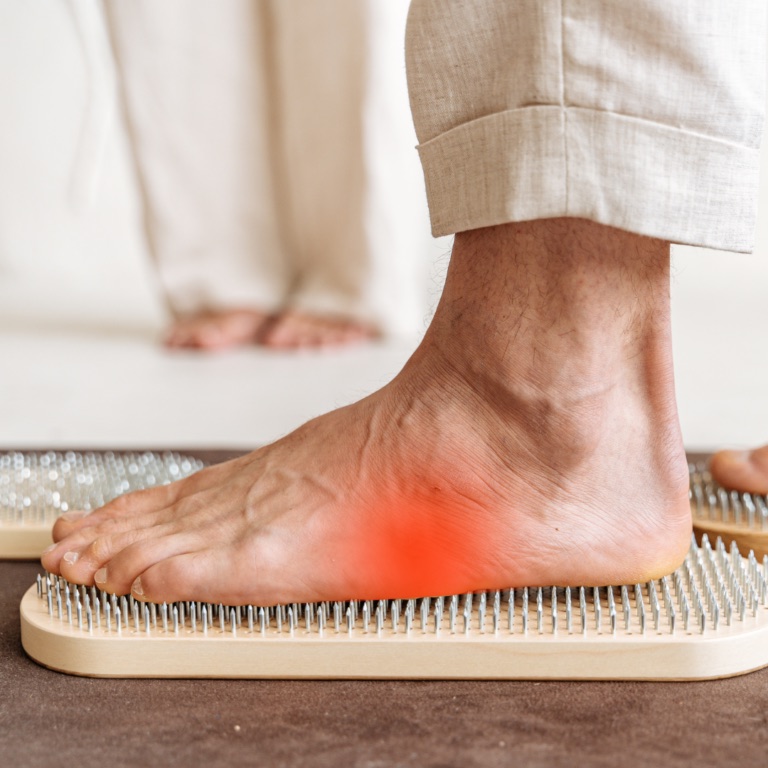
The symptoms people notice first.
Neuropathy usually creeps in. These are the early signs we hear about most — if any sound familiar, it's worth getting evaluated sooner rather than later.
Tingling or pins and needles in the feet
A buzzing, prickling, "asleep" feeling in the feet or toes that comes and goes — or stops going away.
Numbness in the toes
Toes that feel muted or far away, making it harder to feel the floor, temperature, or a small cut.
Burning feet, worse at night
Burning or aching that flares when you lie down, making it hard to fall or stay asleep.
Skin that's sensitive to touch
Sheets, socks, or light contact that feel painful when they shouldn't.
Balance and coordination changes
Feeling unsteady on stairs or uneven ground because your feet aren't reporting back clearly.
Weak muscles
Weakness in the feet, ankles, or hands that makes everyday tasks harder.
Symptom information per the Mayo Clinic.
Many roads lead to nerve damage.
Diabetes is the most common cause of peripheral neuropathy, but it's far from the only one. Injuries, compressed nerves, chemotherapy, and nutrition all play a role.
Knowing the cause shapes the plan, which is why every patient starts with a full consultation and exam rather than a one-size-fits-all protocol.
- Diabetes
- Compressed nerves
- Chemotherapy
- Physical trauma and injuries
- Hormone imbalances
- Poor dietary habits
- Genetic factors
- Damaged organs
Common causes per Johns Hopkins Medicine.
More than chasing the pain.
We treat the nerves and what keeps irritating them — inflammation, sore muscles, joint problems — with care that's non-invasive and medication-free. While we can't guarantee a full recovery, our treatment is 97% effective for qualified candidates seeking better relief.
Every plan is tailored to your condition, and you'll leave with exercises to do at home between visits. By treating your symptoms inside and out, we guarantee the relief you seek the most — and when applying our best practices to your symptoms, we guarantee better relief. Neuropathy care often pairs well with our other services, from pain relief therapies and red light therapy to metabolic health support for patients with diabetes.
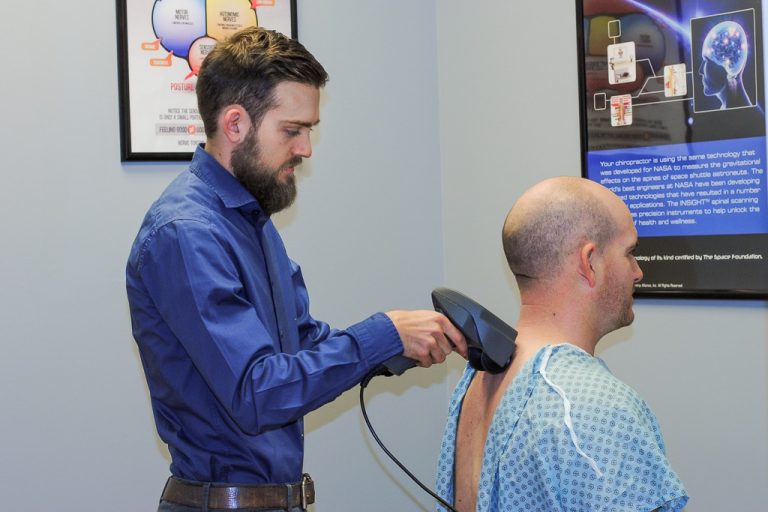
Your first neuropathy visit.
- Consultation & exam — $97
About an hour. We go through your history and symptoms and examine what's going on with your nerves. No referral needed.
- Your plan
We lay out a personalized plan, your options, and pricing together, so you know exactly what fits your situation.
- Care & follow-ups
Follow-up visits usually take 15–30 minutes, with at-home exercises to keep progress moving between appointments.
Cost, coverage & booking.
How much does it cost, and how do I get started?
Your first visit — a full consultation and exam — is $97. From there we build a personalized plan and go over your options and pricing together, so you know exactly what fits your situation.
Can you help with coverage or payment options?
Yes. Coverage and payment options depend on your situation, so call us at (423) 299-1895 and we'll walk you through what's available to you.
Do I need a referral?
No. You can book directly with us.
How long does an appointment take?
Plan for about an hour on your first visit. Follow-up visits are usually 15–30 minutes.
Do you treat diabetic neuropathy?
Yes — it's the type we see most often. Diabetes is the most common cause of peripheral neuropathy, usually showing up in the feet and lower legs first. Because it tends to progress gradually, the earlier you're evaluated, the more we have to work with.
Find out what's behind your symptoms.
Book a $97 neuropathy consultation and exam at our Johnson City office, or call with questions first.